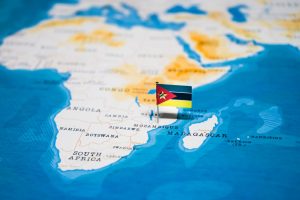

Mozambique is a multilingual country with more than 40 indigenous Bantu languages. However, Portuguese is the official language, used in government, education, law and formal media.
What is the official language of Mozambique
Portuguese is Mozambique’s official language, while indigenous languages are widely spoken in rural communities and remain important to local culture and everyday communication.
Why is Portuguese spoken in Mozambique
Portuguese is spoken in Mozambique because the country was under Portuguese colonial rule for centuries. Following Vasco da Gama’s arrival in 1498, Portuguese influence shaped the country’s administration, education, legal system and economy.
National and Indigenous languages spoken in Mozambique
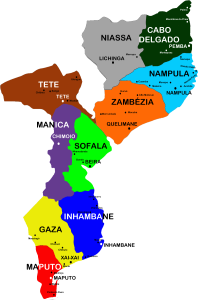
Mozambique has more than 40 indigenous languages, mainly belonging to the Bantu family. Major languages include:
- Makhuwa:Mainly spoken in Nampula and Cabo Delgado.
- Tsonga/Changana:Common in Maputo, Gaza and Inhambane.
- Sena:Widely spoken in the central Zambezi Valley.

- Lomwe:Mainly spoken in Zambézia and Nampula.
- Ndau:Spoken in Sofala and Manica.
- Yao:Found in Niassa and Cabo Delgado.
- Nyanja/Chewa:Spoken in Tete and Niassa.
- Makonde:Mainly spoken in Cabo Delgado.
- Swahili/Kimwani:Used along parts of the northern coastline.
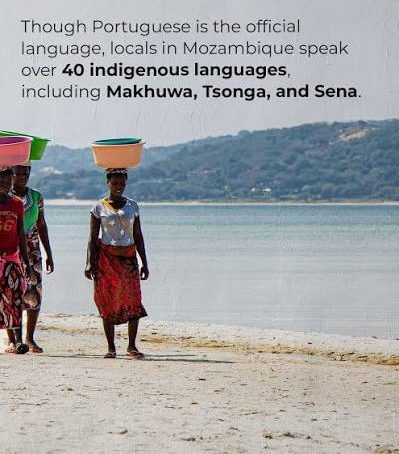
Other languages include Chopi, Gitonga, Chuwabu, Ronga and Shona varieties.
What are the most widely spoken indigenous languages in Mozambique
Makhuwa is the country’s most widely spoken indigenous language, particularly in northern provinces. Other major languages include Tsonga/Changana in the south, Sena and Ndau in central Mozambique, and Lomwe in the north. Chuwabu, Tswa and Shona varieties are also spoken.
Understanding Mozambican Portuguese and Its Regional Differences
Mozambican Portuguese has developed distinct characteristics influenced by indigenous languages and local culture. Differences can be found in pronunciation, vocabulary and everyday expressions. Understanding these variations is important when translating documents or communicating with Mozambican individuals and organisations.
The difference between speaking Portuguese and having it as a mother tongue
According to Mozambique’s 2017 census, approximately 16.5% of people aged five and older identified Portuguese as their mother tongue, while 58.1% could speak it. Around 39% of urban residents identified it as their mother tongue, compared with 5.1% in rural areas. This highlights the difference between speaking Portuguese as a first or additional language.
Languages by Region
- Northern Mozambique:Makhuwa and Lomwe are widely spoken, while Swahili and Kimwani are used along the coast.
- Central Mozambique:Sena and Ndau are prominent, alongside Shona and Nyanja.
- Southern Mozambique:Tsonga/Changana, Ronga, Bitonga and Chitswa are common.
Portuguese is widely used in cities for business, education and formal communication. Indigenous languages remain central to everyday life in rural communities. Mozambican Sign Language is also used by the Deaf community.
Urban vs. Rural Use
Portuguese is widely Is English spoken in Mozambique
English is not an official language and is not widely spoken by the general population. It is more common in urban centres such as Maputo, Beira and Nampula, particularly among professionals and tourism workers. Portuguese and indigenous languages remain the main means of communication.
The importance of language in Business and Communication
Language plays an important role in international business by building trust, supporting negotiations and strengthening professional relationships. Accurate translations help prevent misunderstandings in contracts, improve communication and support businesses entering new markets. Understanding local languages and cultural differences also provides a competitive advantage.
Bridging language barriers in Mozambique
Although Portuguese is Mozambique’s official language, many residents primarily communicate in indigenous languages such as Emakhuwa, Changana, Sena and Ndau. The country has expanded mother-tongue instruction in schools and incorporated local languages into adult education.
However, Portuguese-only public services can create communication difficulties. Bilingual education and multilingual communication help improve accessibility while preserving cultural identities.
Conclusion
Mozambique’s linguistic diversity reflects its rich cultural heritage. While Portuguese is essential for government, education and business, indigenous languages remain central to everyday life. Effective communication requires understanding both language and cultural context.
Professional Translation and Interpretation Services
Planning to travel, work, study or do business in Mozambique? Speak Portuguese offers professional Portuguese-to-English and English-to-Portuguese translation services to help you overcome language barriers. Whether you need business documents, legal paperwork, immigration documents or personal correspondence translated, we are here to help.
Contact Speak Portuguese at 012 348 3134, Cell/WhatsApp: 081 347 6060 or Info@speakportuguese.co.za today for a quotation and let us help you communicate confidently and accurately across languages and cultures.